Audio Nirvana - Setting up a 2.1 High-Fidelity Music Room - Part 2.
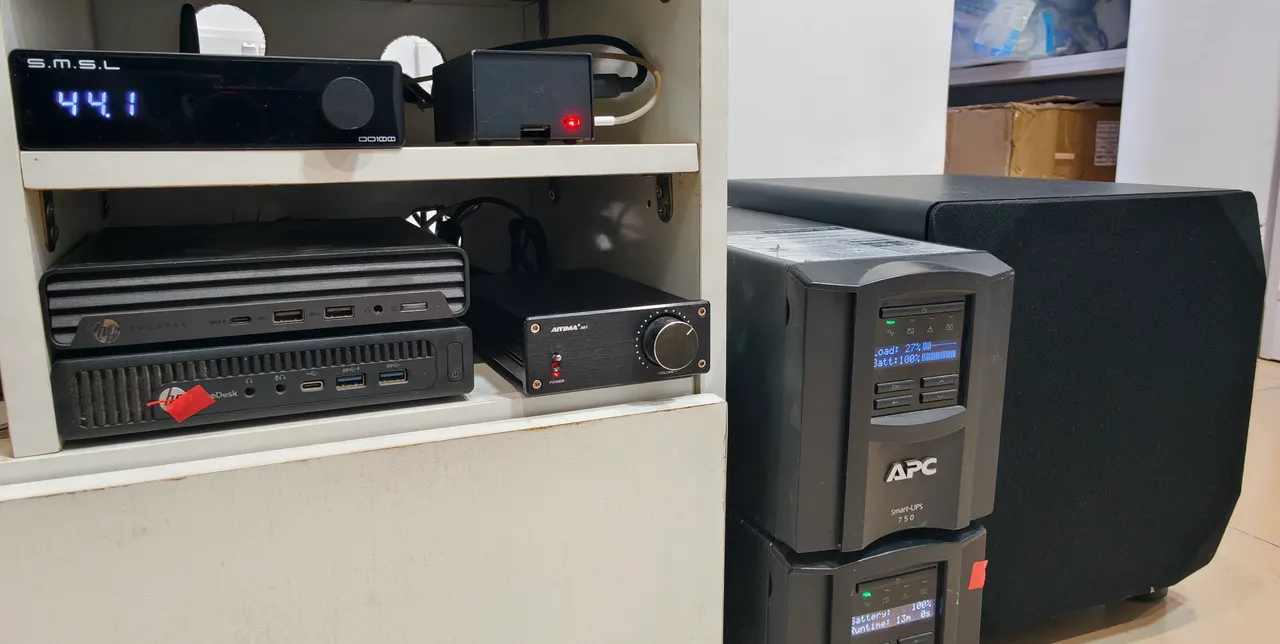
Today, I want to talk about a project that has completely transformed my 9-to-5: turning my home office and workspace into a dedicated, high-fidelity music room.
I am a massive music lover, but more than just the music itself, I have a fascination with sound fidelity. I want my music to come out crystal clear, utterly devoid of distortion, and exactly as it sounded when it was recorded in the studio. I want to close my eyes and feel like I am sitting right in front of the mixing board.
Getting to that level of audio perfection usually comes with a terrifying "audiophile" price tag. But, keeping with my usual DIY ethos, I set out to build an uncompromising 2.1 audio system on a realistic budget.
This is the story of how I pulled it off.
Step 1: Taming the Room with DIY Acoustics
You can buy the most expensive gear in the world, but if your room isn't treated, your voice and your music will just bounce off the hard walls, creating an echoing, muddy mess.
If you have ever stood in an empty bedroom and clapped your hands, you know exactly what I mean. That echo is the enemy of high fidelity.
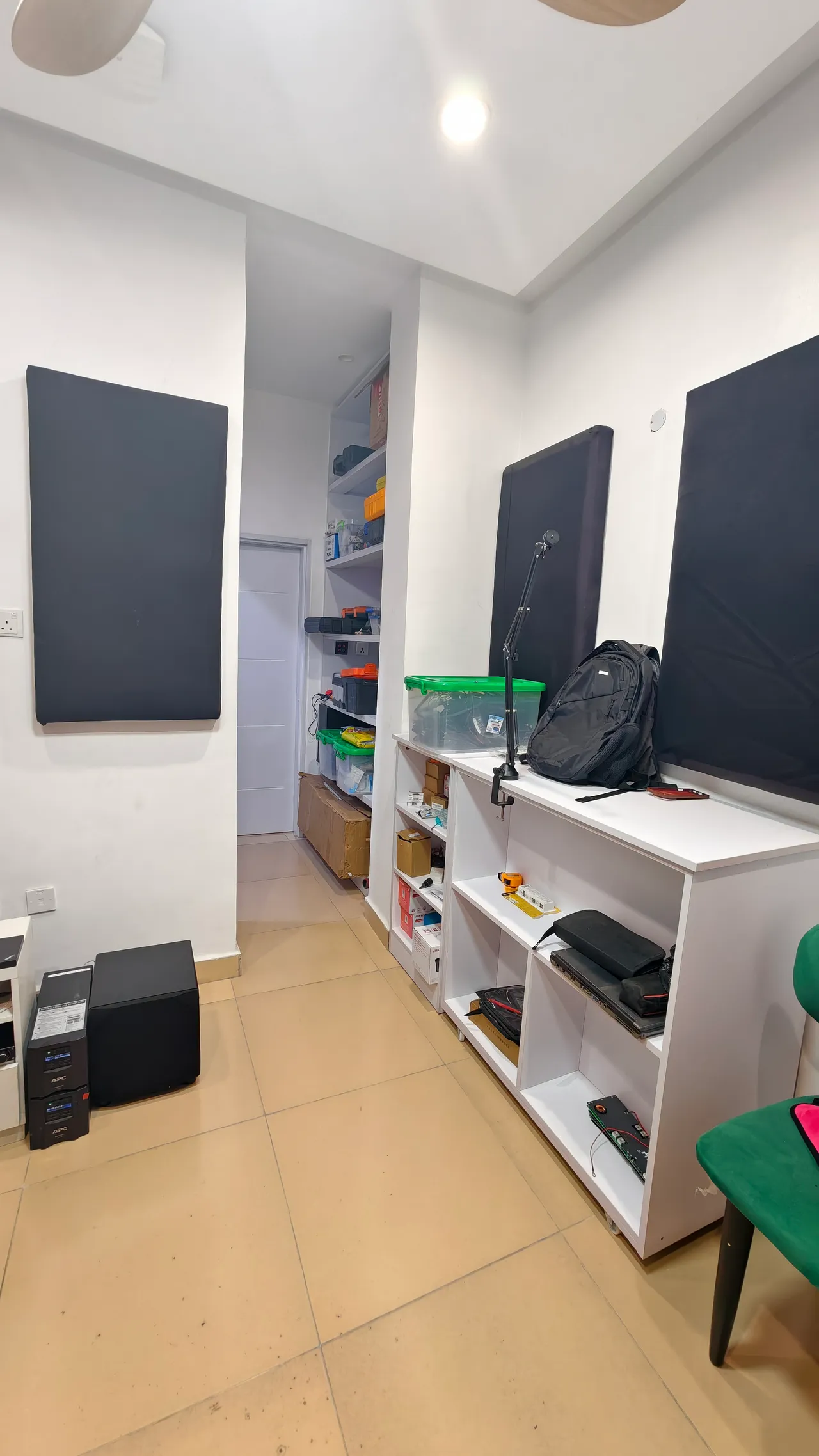
Instead of overpaying for commercial acoustic foam, I worked with a local carpenter to build custom sound absorption pads. I went to the local building materials market, picked up dense rockwool and fiberglass, and built out dedicated panels.

We then wrapped them in sonically transparent fabric (a specific type of cloth that allows sound waves to pass right through it into the absorbing material, rather than reflecting off the surface).
The result? The room's resonance dropped to significantly. The echo is completely dead, making the room way more sonically pleasing.
The Hardware Stack: Component by Component
When building a budget-friendly but high-end system, you want to avoid "all-in-one" boxes. Separating your components means you can get the best possible hardware for each specific job in the signal chain. I talked about this here
For those wondering why I went with a traditional home theater speaker (with AVR and dedicated speaker setup) as against a soundbar or home theater in a box. This post on reddit sums up why https://t.co/fSMk4hSyxn
— Othell Yarwyck (@bigbrovar) June 22, 2024
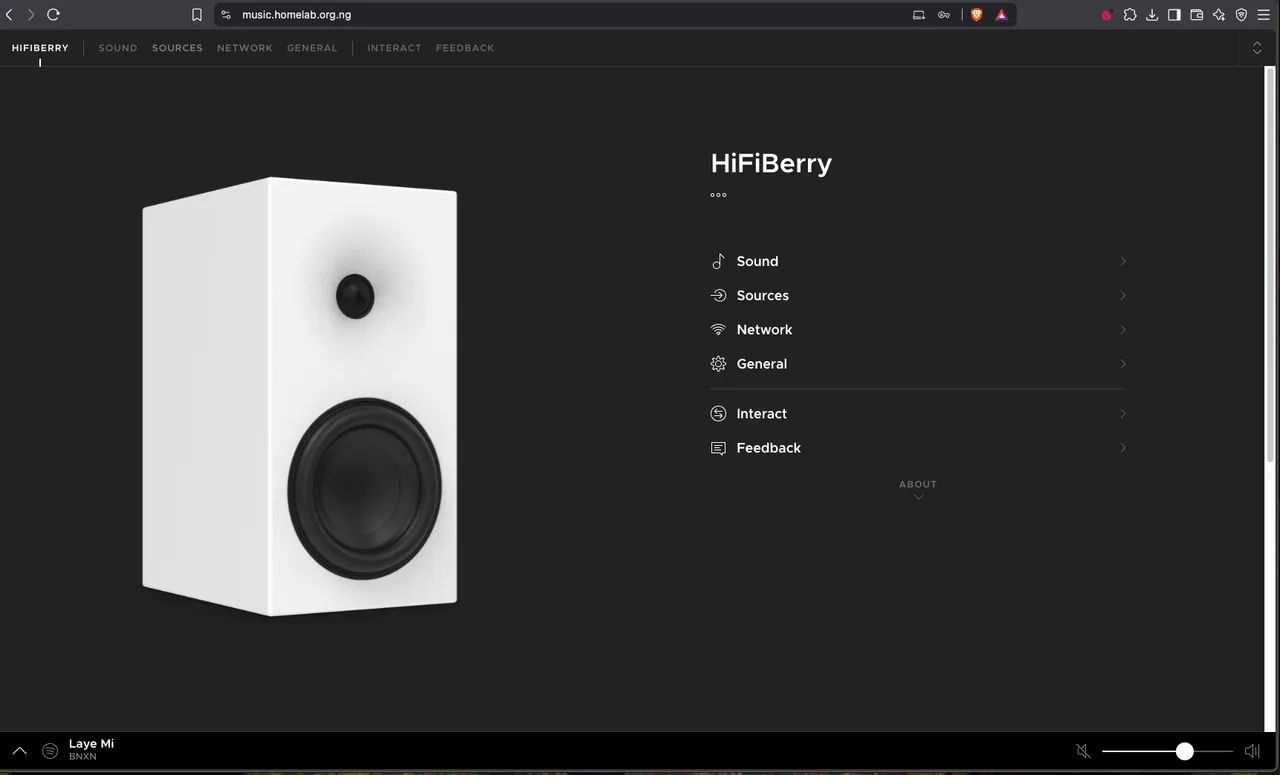
1. The Brain: Raspberry Pi & HiFiBerry Digi2 pRO
I am not using a standard CD player or a commercial streamer. The brain of my entire operation is a tiny, credit-card-sized Raspberry Pi computer housed in a custom case.
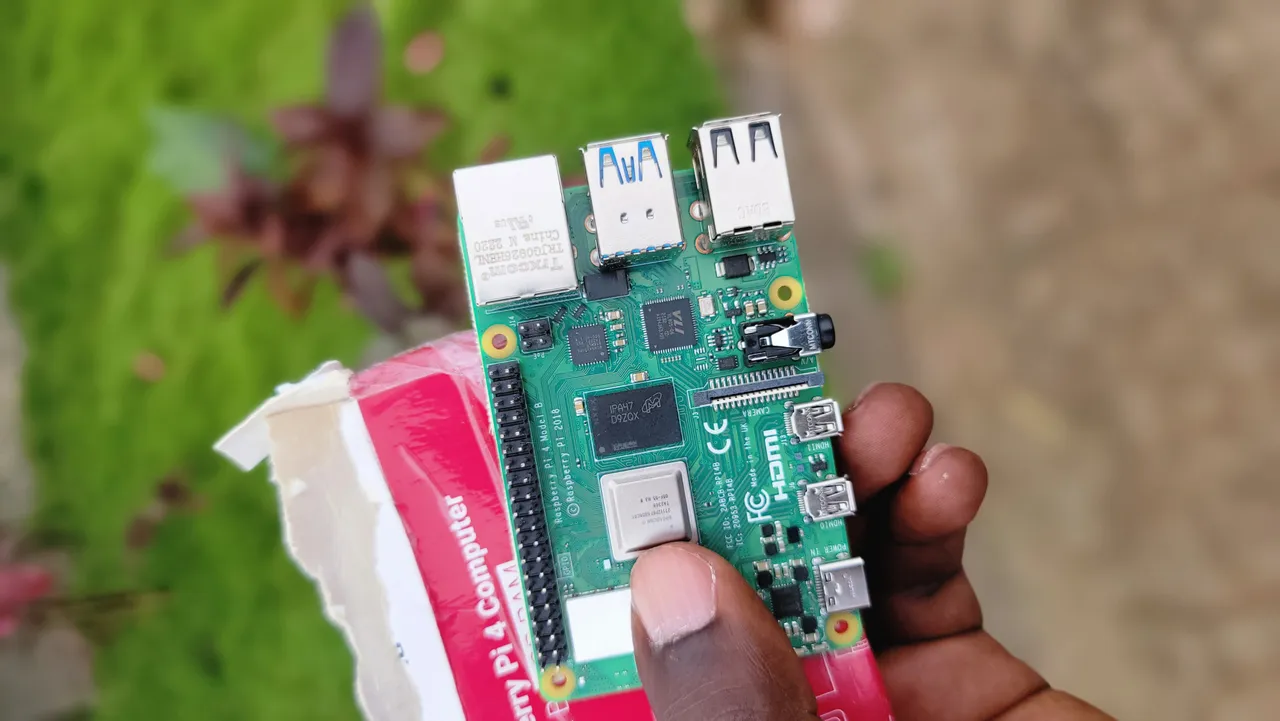
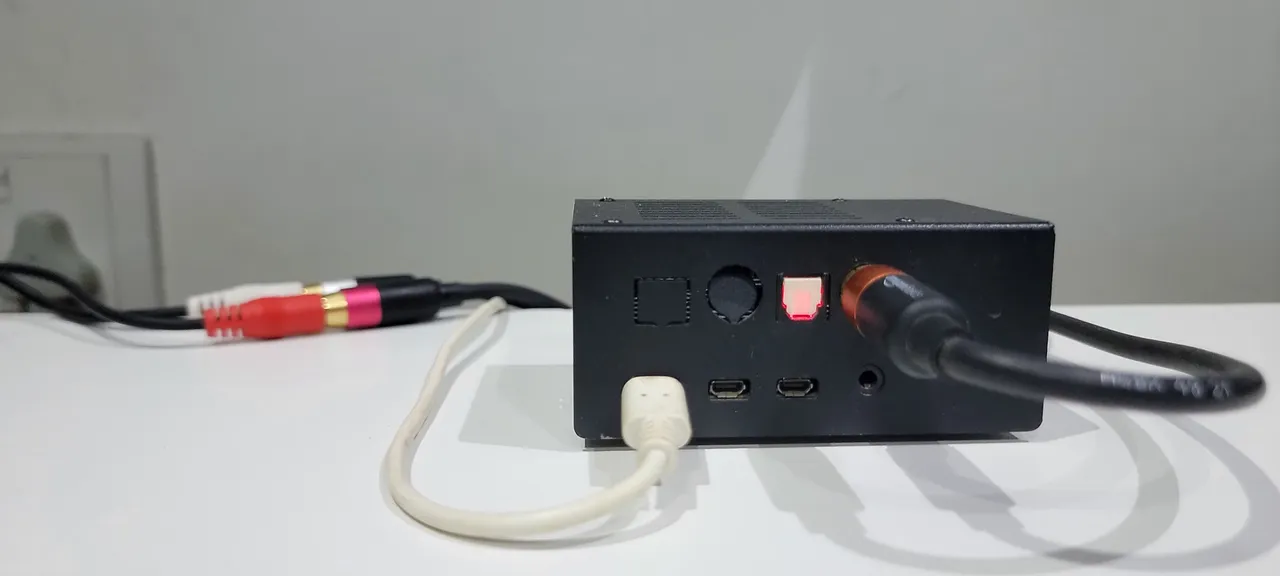
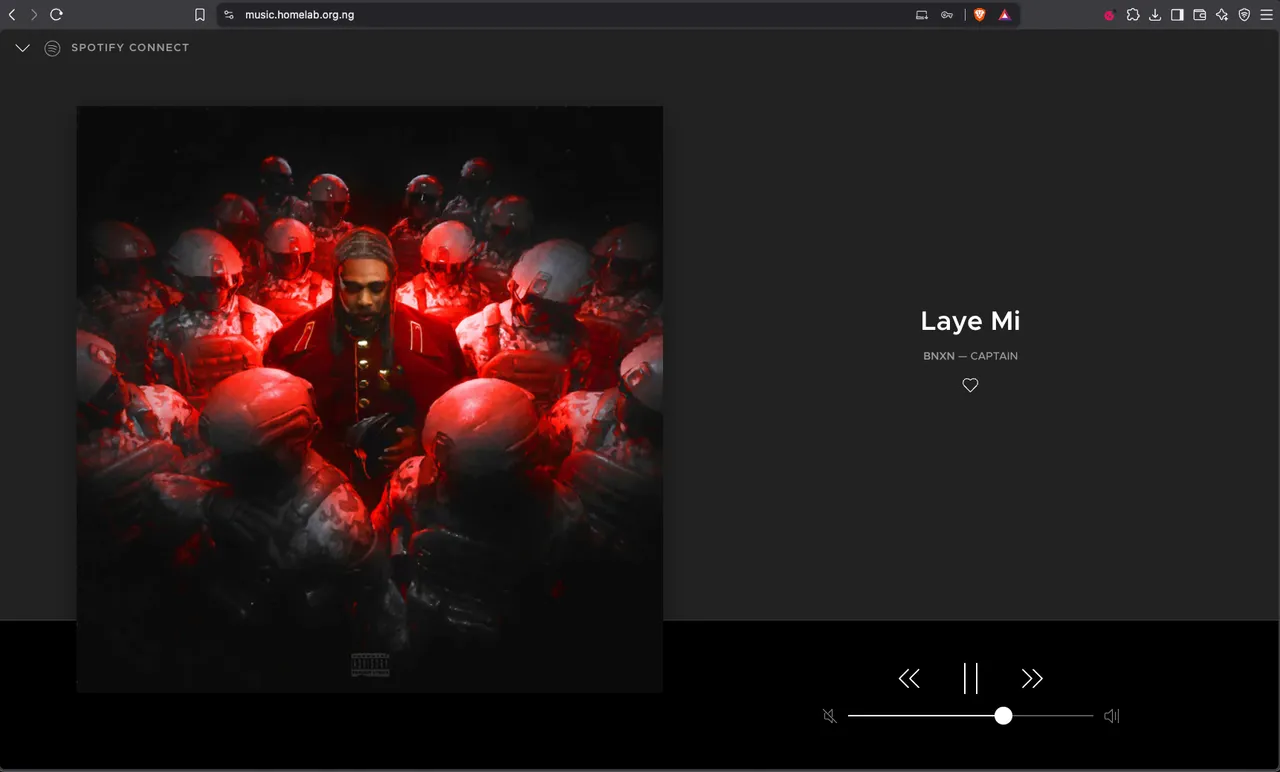
Out of the box, a Raspberry Pi isn’t built for audiophile sound. To fix that, I mounted a dedicated audio HAT (Hardware Attached on Top) from HiFiBerry. The Digi2 Pro extracts a clean digital audio signal directly from the Raspberry Pi’s I2S interface. This allows the Pi to deliver bit-perfect digital audio from the source media file to the rest of the system. The Pi runs an operating system called HiFiBerryOS, which turns this tiny board into a smart music streamer. It in essence turns the otherwise passive dumb speakers into smart stream system able to play music from Spotify, Tidal, local music collection and even Internet radio like the BBC World Service.
2. The DAC: SMSL DO100
Because the audio leaving the Pi is entirely digital (just 1s and 0s), speakers can't actually play it. It has to be converted into an analog electrical signal. Enter the Digital-to-Analog Converter (DAC).
I am using the SMSL DO100. Although it a budget Chinese brand, it punches way above its weight and is completely audio-file grade. Independent sound engineers have measured this unit, and its ability to convert a digital signal to analog without introducing jitter or distortion is absolutely top-tier.
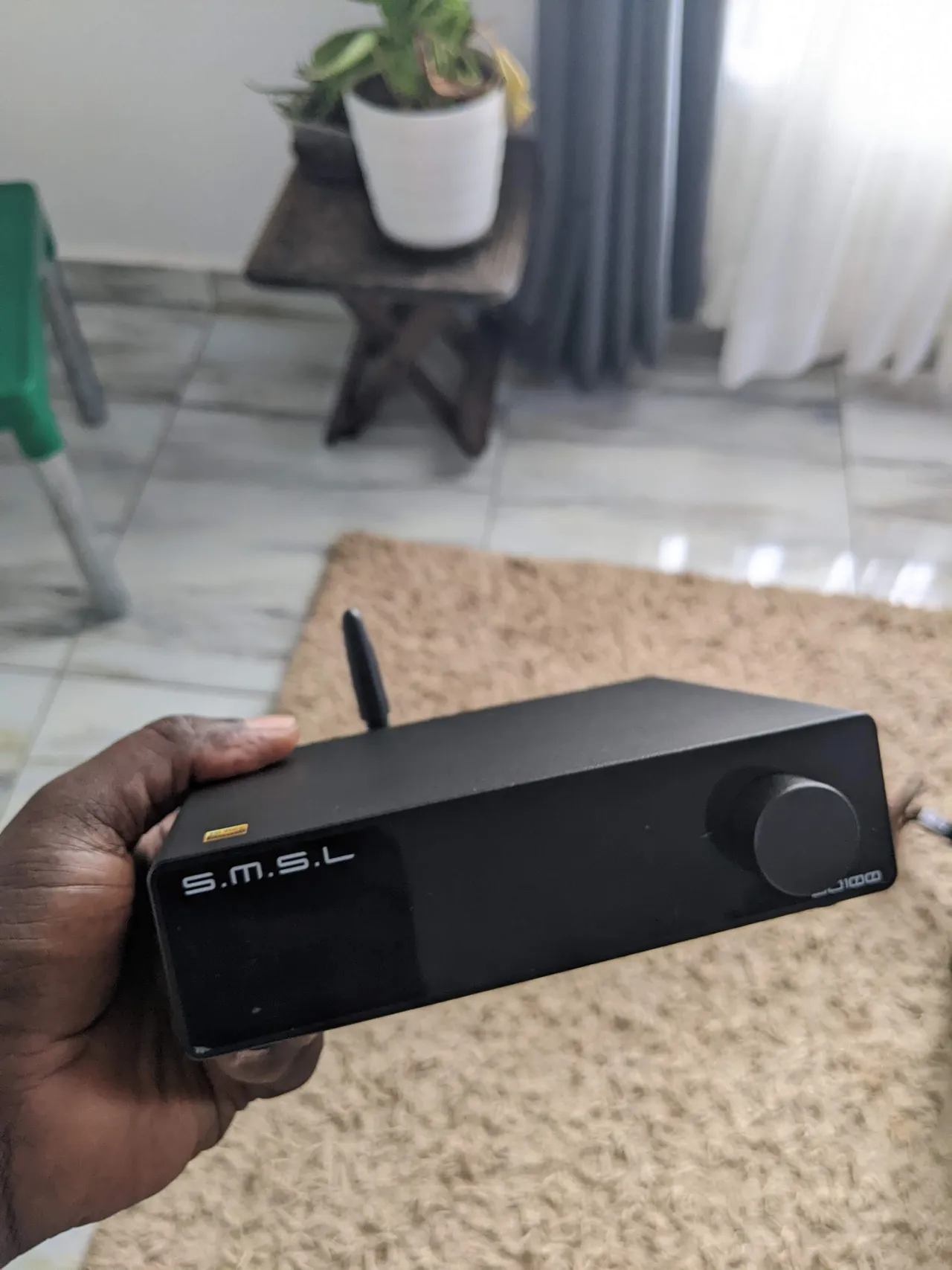
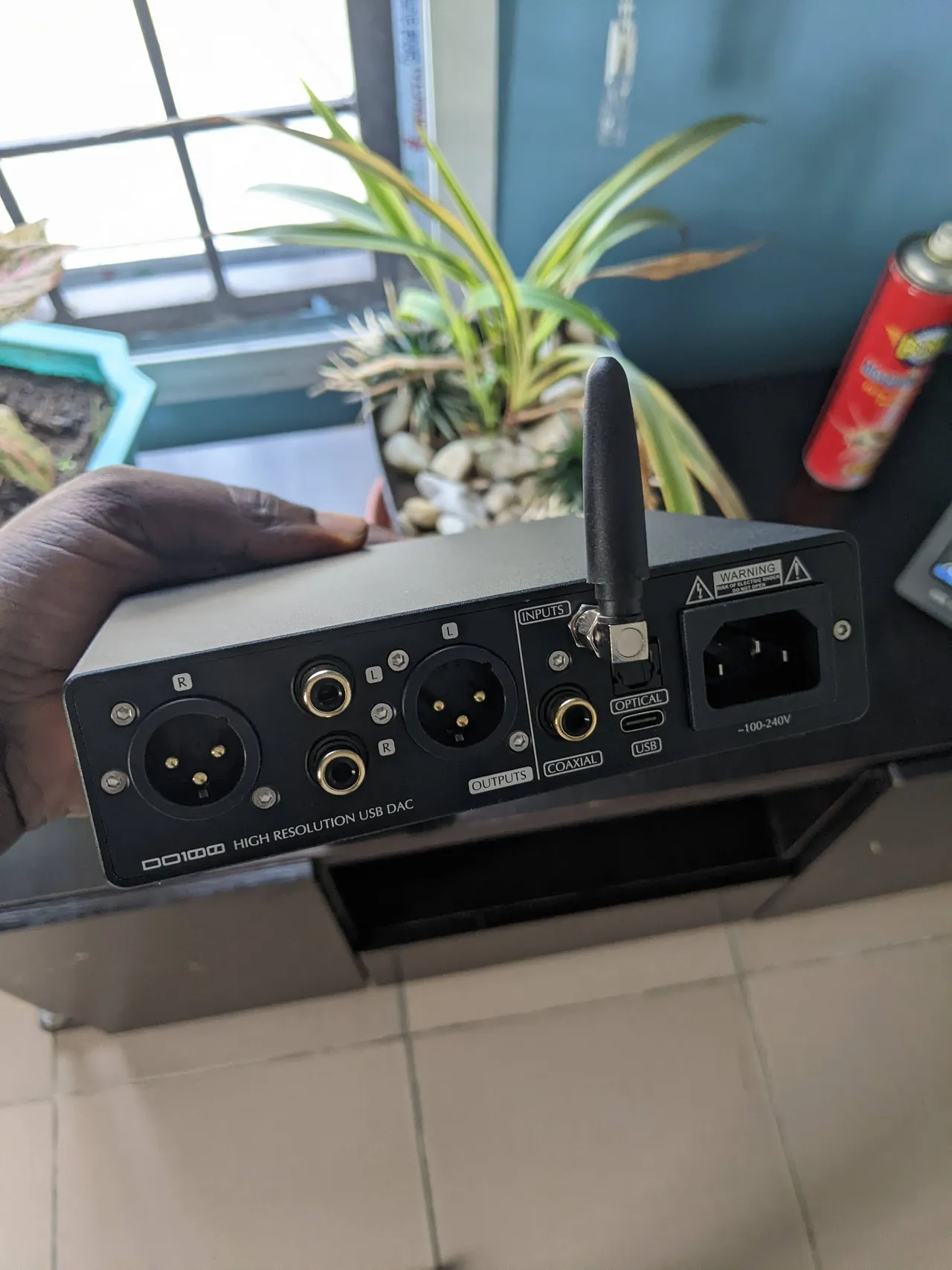
The digital signal leaves the Pi via a Toslink (optical) cable, enters the SMSL DO100, and is converted to analog.
3. The Amplification: Aiyima A07
My speakers are passive, meaning they do not have their own internal power supply. They require a dedicated amplifier to push the sound.
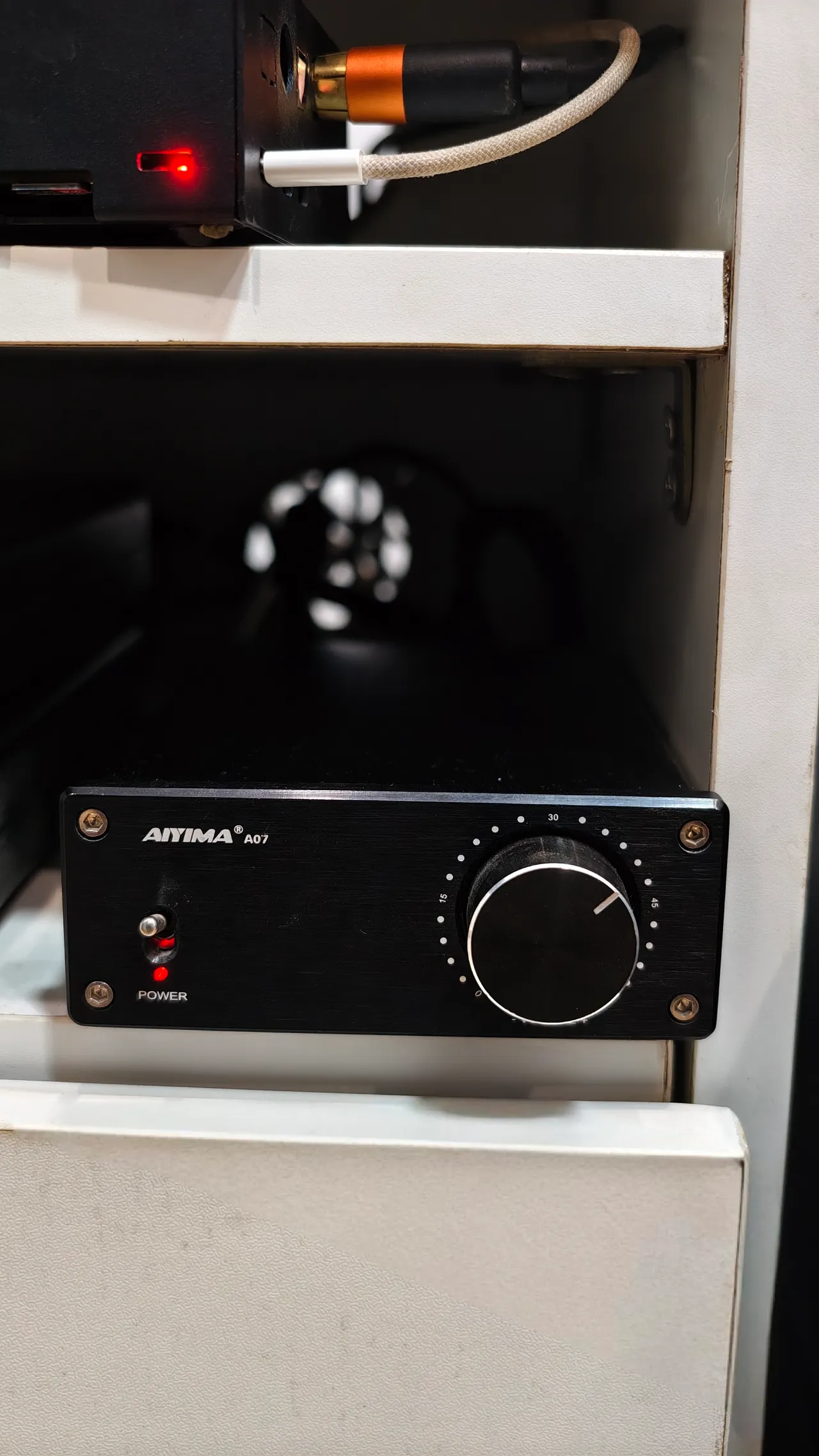
Rather than buying a massive, expensive receiver, I opted for the Aiyima A07. It is a compact, highly efficient Class-D digital amplifier that offers a ridiculous bang for your buck. It takes the clean analog signal from the DAC and provides the raw electrical muscle needed to drive the speakers. It has good excellent performance record when it was objectively tested by independent sound engineers
4. The Mains: JBL Stage A130
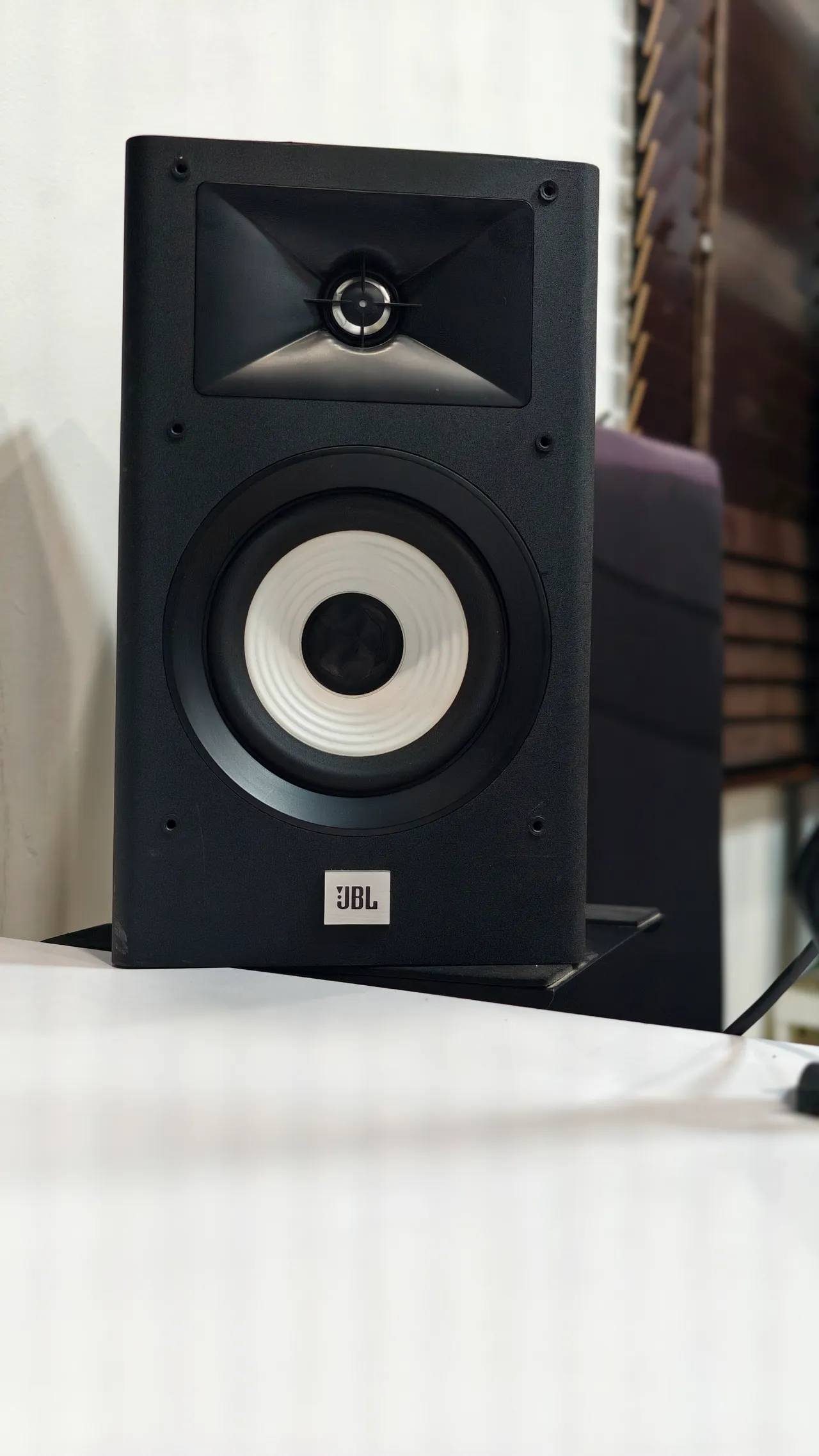
For the main left and right channels, I am running a pair of JBL Stage 130 bookshelf monitors. This is a compact two-way bookshelf speaker featuring a 5.25-inch polycellulose woofer and a 1-inch aluminum dome tweeter, all housed in a modestly braced 5/8-inch MDF cabinet. The JBL Stage A130 are highly regarded in the audiophile community as some of the best in class (for the price) and they measure incredibility well Because of the clean power coming from the Aiyima A07, they sing with incredible clarity and precision.
5. The Low End: Emotiva 8SE Subwoofer
This is a 2.1 system, meaning we have two main speakers and one subwoofer. But there is a massive difference between a home theater subwoofer and a music subwoofer.
Home theater subs are built to reproduce the booming, rumbling explosions of an action movie. Music subwoofers have to be fast, nimble, and tight to accurately reproduce a rapid bass guitar riff or a kick drum without sounding muddy.
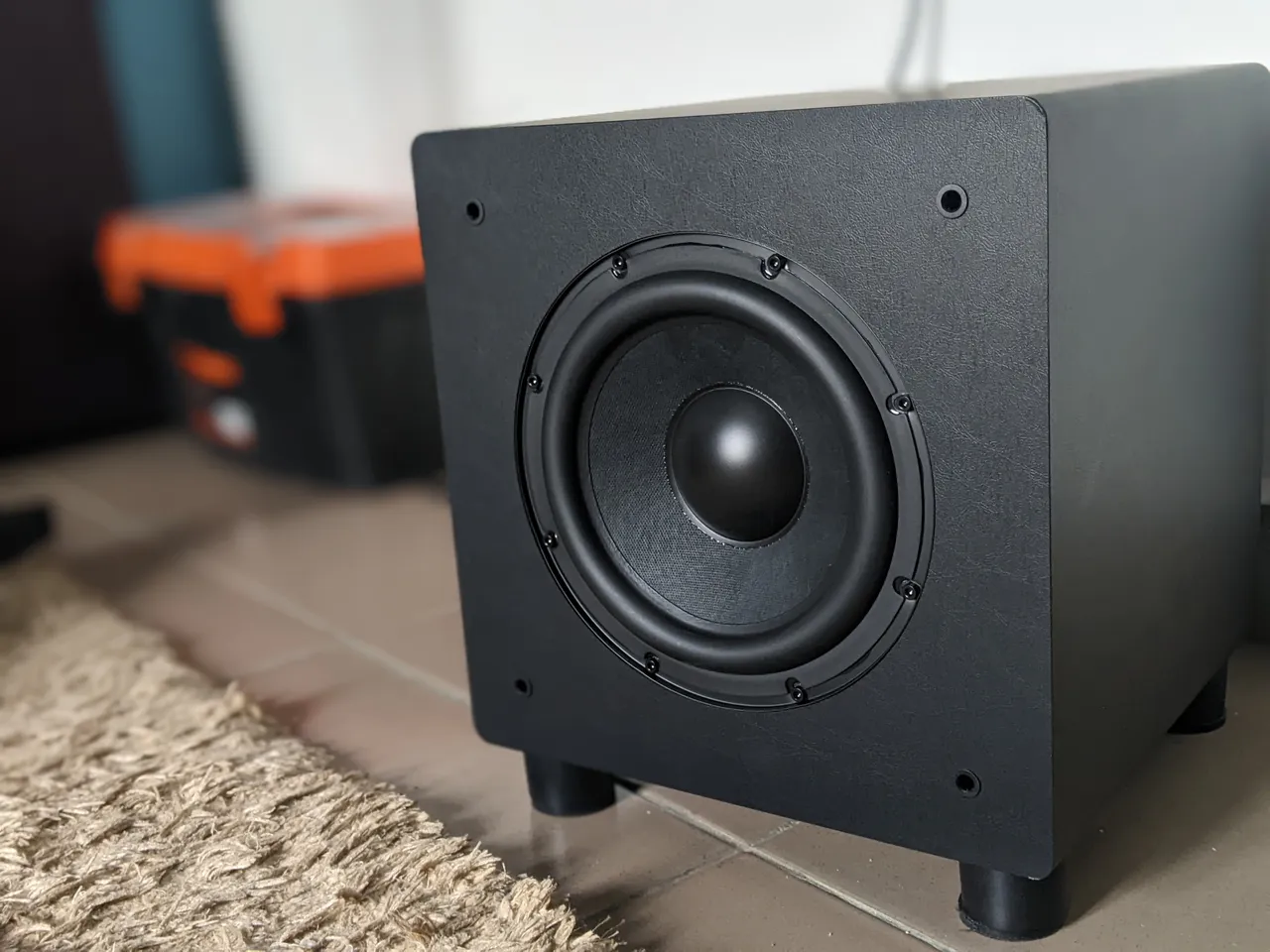
I chose the Emotiva 8SE, an 8-inch subwoofer that punches completely above its budget. It features excellent built-in bass management. By using its active high-pass filter, I can route all the deep, heavy bass exclusively to the Emotiva, while sending only the crisp highs and mids to the JBLs. This ensures the JBLs never struggle or distort trying to produce low-end frequencies they weren't designed for.
Quick Explainer about High Filter and Bass Management in Hi-Fi Setup
To truly understand the importance of Bass management, let’s take a quick detour and break down how sound actually works into three main categories: highs, mids, and lows.
- The Highs (Treble): These are the crisp, piercing sounds the crash of cymbals, the snap of a snare drum, screaming trumpets, or high guitar notes. In audio numbers, these frequencies occupy roughly the 2 kHz to 20 kHz range.
- The Mids (Midrange): This is where the soul of the music lives. The human voice and the main body of most instruments occupy this space, roughly between 250 Hz and 2 kHz. If a system messes up the midrange, the music sounds hollow and lifeless.
- The Lows (Bass): This is the hmmm and the thump. It’s the part of the music that gives you that earth-shaking boom you literally feel in your chest. Bass frequencies live down between 20 Hz up to about 250 Hz.
Here is the fundamental problem with traditional setups: A bookshelf speaker like my JBL A130 is relatively small. Because of basic physics, its physical size heavily restricts how low it can go. It is brilliantly designed to handle the highs and the mids. It does feature a 5.25-inch mid-woofer that tries to act like a mini-subwoofer for the low end, but realistically, it struggles to cleanly reproduce heavy bass below 100 Hz.
When you force a small 5.25-inch bookshelf speaker to play 30 Hz sub-bass, that little cone has to move frantically back and forth (a physical limitation known as high excursion). While it is violently flapping around trying to reproduce that heavy bass, it is also trying to accurately play delicate midrange frequencies, like vocals and acoustic guitars. This causes physical intermodulation distortion the midrange gets completely muddied and smeared by the physical effort of making bass.
This is exactly where the Emotiva SE8's active bass management comes in. Because I have a dedicated sub, it acts as a bouncer for the audio signal. It intercepts the music, extracts all that heavy, power-hungry bass (everything below 80 Hz) to play through its own massive driver, and passes only the high and mid-range frequencies onward to the JBLs.
By actively rolling off the bass at 80 Hz before the signal ever reaches the amplifier, two magical things happen:
- Massive Dynamic Headroom: The Aiyima A07 amplifier is freed from the massive power demands of low frequencies, effectively granting it massive dynamic headroom. It runs cooler and faster.
- Pristine Clarity: The JBL woofers barely have to move. They can dedicate 100% of their mechanical effort to the midrange.
The result? The JBLs suddenly sound like much larger, vastly more expensive, and incredibly clear speakers, while the SE8 handles the heavy lifting down low. Because both filters match perfectly at 80 Hz, there is no frequency gap and no bloated overlap. The subwoofer physically disappears in the room.
The Software: Lossless Local Storage vs. Streaming
Hardware is only half the story; the source file matters just as much.
When you stream music from Spotify, you are listening to heavily compressed audio. Spotify actively throws away data to keep the file size small so it streams smoothly over a mobile network without buffering.
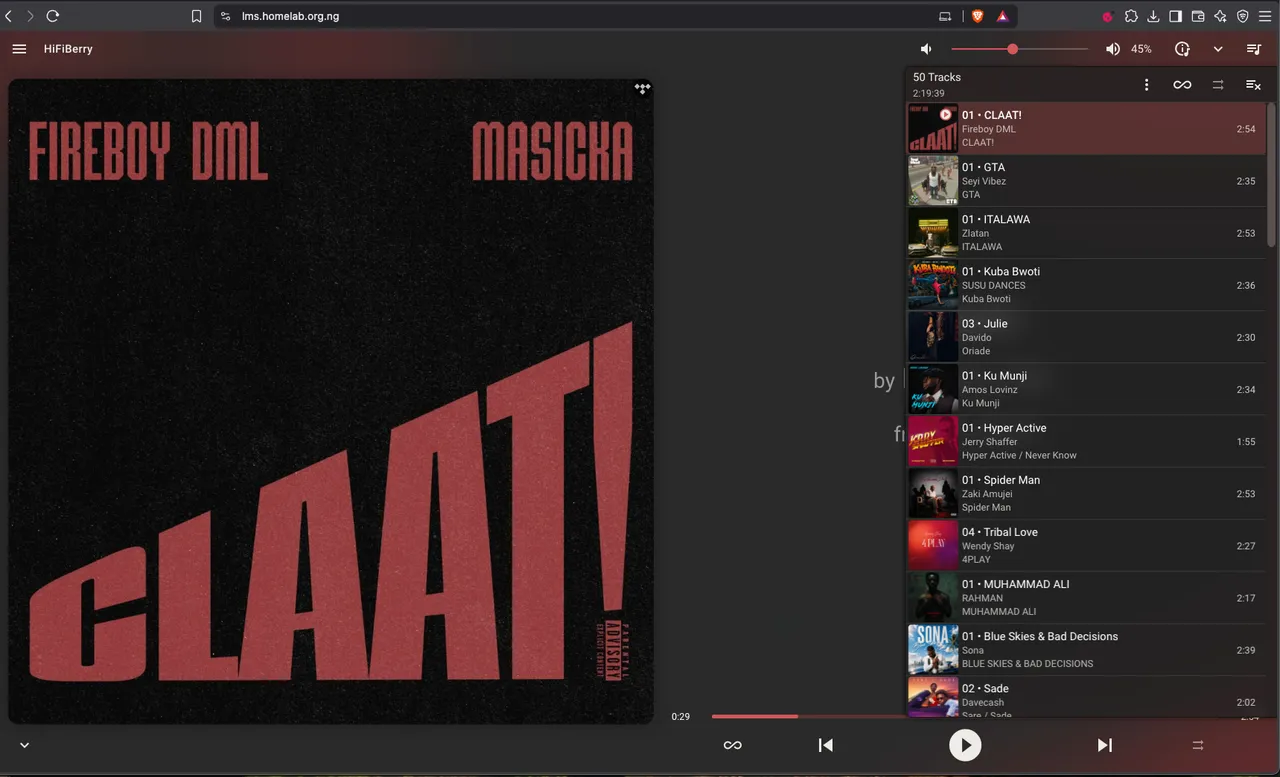
I prefer my musc "bit perfect" thus My library consists of uncompressed FLAC (Free Lossless Audio Codec) files. Because no data is thrown away, a single song can easily be 100 megabytes in size.
A quick explainer on "Bit-Perfect"
In the digital audio world, "bit-perfect" means the audio file is transmitted exactly as it was recorded, From the conversation from Analog to digital and the transmission of the music file over the network to the music streamer where it is completely untouched by the operating system’s audio mixer. Windows, Mac, and standard Linux distributions love to secretly resample audio behind the scenes changing sample rates or applying hidden volume leveling so you can hear system pings over your music. A bit-perfect chain ensures that the 1s and 0s leaving the server are strictly identical to the 1s and 0s hitting the DAC. It is the foundational rule of high-fidelity digital audio: do no harm to the source.
To manage this massive library, I run Logitech Media Server (LMS) on a dedicated home server. My Raspberry Pi endpoint connects directly to this server over my local network, pulling lossless, uncompressed FLAC files and feeding them bit-perfectly into the DAC. (And yes, for casual listening, the HiFiBerry OS still allows me to stream Spotify should I need to).
The Final Signal Path
After all said and done. This is how everything links together to deliver a blissful experience:
[ THE HARDWARE SCHEMATIC & SIGNAL FLOW ]

[Local NAS FLACs]  [Spotify]  [Tidal]  [BBC Music]  [Internet Radio]
        \              |         |          |              /
         \             |         |          |             /
          +------------+----+----+----------+------------+
                            |
                            v
                 [Proxmox CT (LMS Core)]
                            |
                       (LAN/WIFI)
                            |
                            v
                 [Raspberry Pi Endpoint]
                            |
               (I2S via HiFiBerry Digi2 Pro)
                            |
                     (Coaxial/Optical)
                            |
                            v
                     [SMSL DO100 DAC]
                            |
                 (Full Range Analog RCA)
                            |
                            v
           [Emotiva Airmotiv SE8 Flex Subwoofer]
                    (Active Crossover)
                       /         \
      [Low-Pass <80Hz]            [High-Pass >80Hz]
             |                           |
             v                           v
   (Internal Emotiva Amp)          [Aiyima A07 Amp]
             |                           |
             v                           v
      (SE8 8" Driver)            [JBL Stage A130 Mains]
Building this setup took research, some DIY elbow grease, and a lot of careful component matching. But sitting at my desk, listening to studio-quality, lossless audio with absolute clarity while I work? It is worth every single penny.
Member discussion