Let there be light
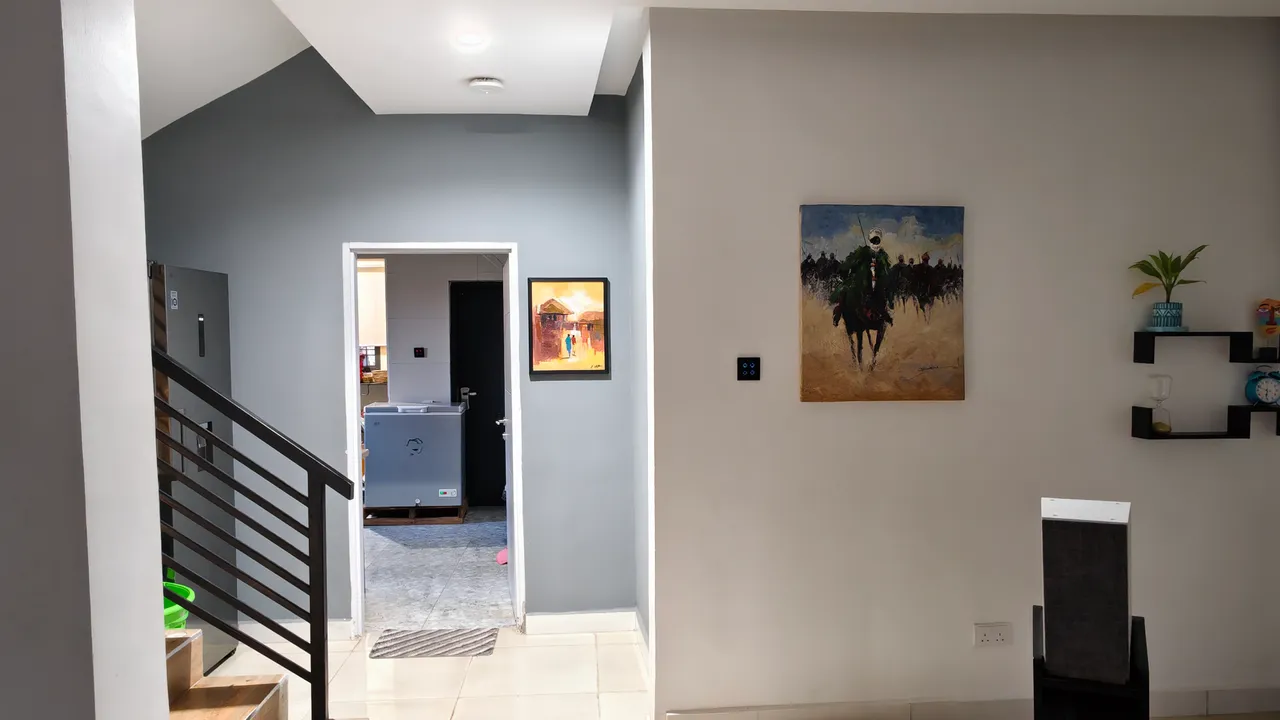
When I was setting up my new space one of the decision I was so intentional about was lighting - I made sure to settle on a house designed to allow natural light shine through every room. - This turned out not to be as easy as you would have thought given how window shy most developers are - in the end I got a place that didn't require artificial lighting for any of the room when it is day time.
However because it is one area I had control over, I was also very intentional about artificial lighting - One of my pet peeves about most homes in Nigeria is how our choice of fixed light is always an after thought. We just go and get whatever is available. This is why most homes always have this intense cold feel at night.
For my space I wanted a warm, cozy, and vibrant feel, and to do this, I set to eliminate the usual generic cold white lights in favor of dedicated lighting tailored for each specific space. If you're building or renovating, this blog is a DIY playbook I used to select my lighting, and why I ended up bypassing the local market entirely.
1. Colour Matters
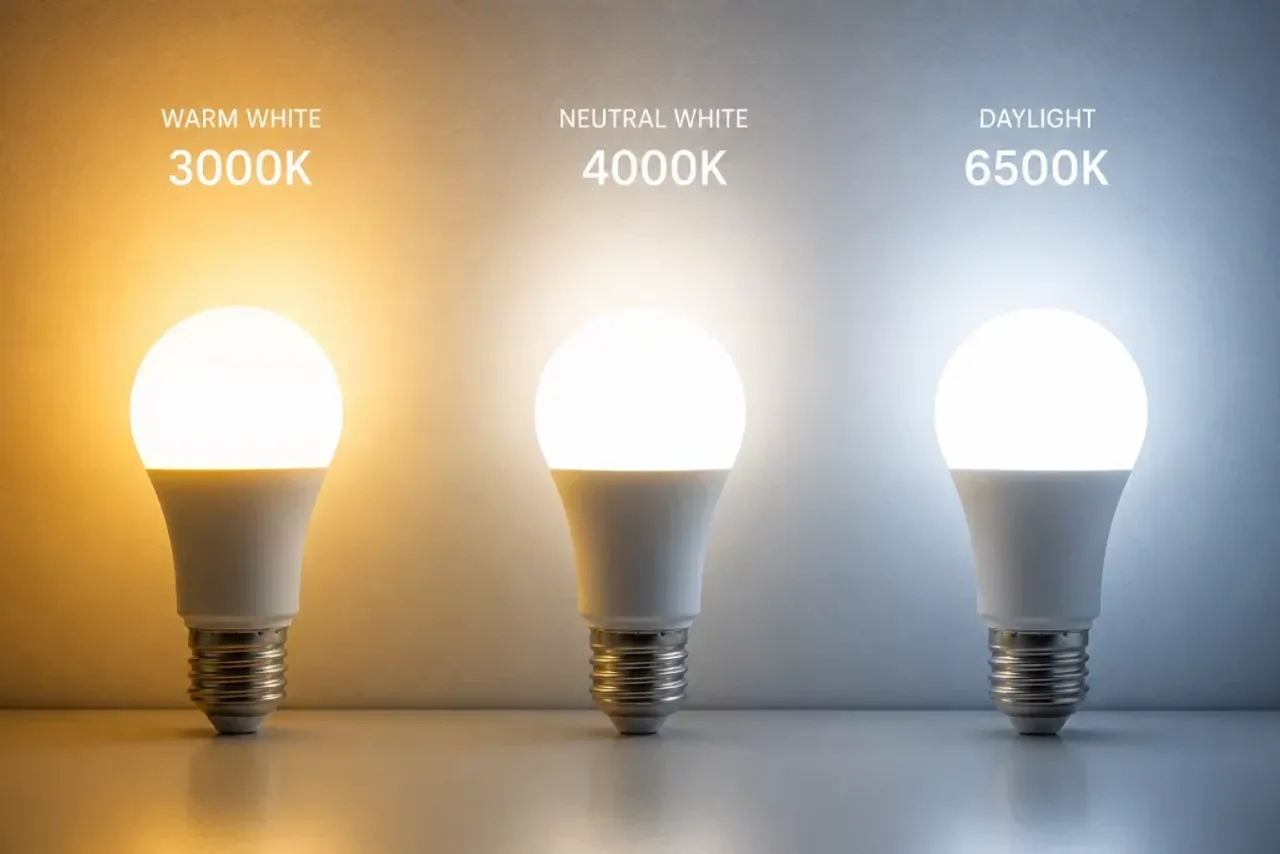
Artificial white lights (non-RGB) are measured in Color Temperature using the Kelvin (K) scale. It ranges from warm, fire-like tones at the lower end (2700K) all the way up to cold, bluish-white at the higher end (6500K).
An unfortunate trend ushered in by the dominance of cheap LEDs is that most fixed light fixtures sold in the Nigerian market sit squarely in the 6500K spectrum. These lights are simply not meant for living spaces; they are designed for commercial spaces, hospitals, and factories where stark visibility is the only goal.
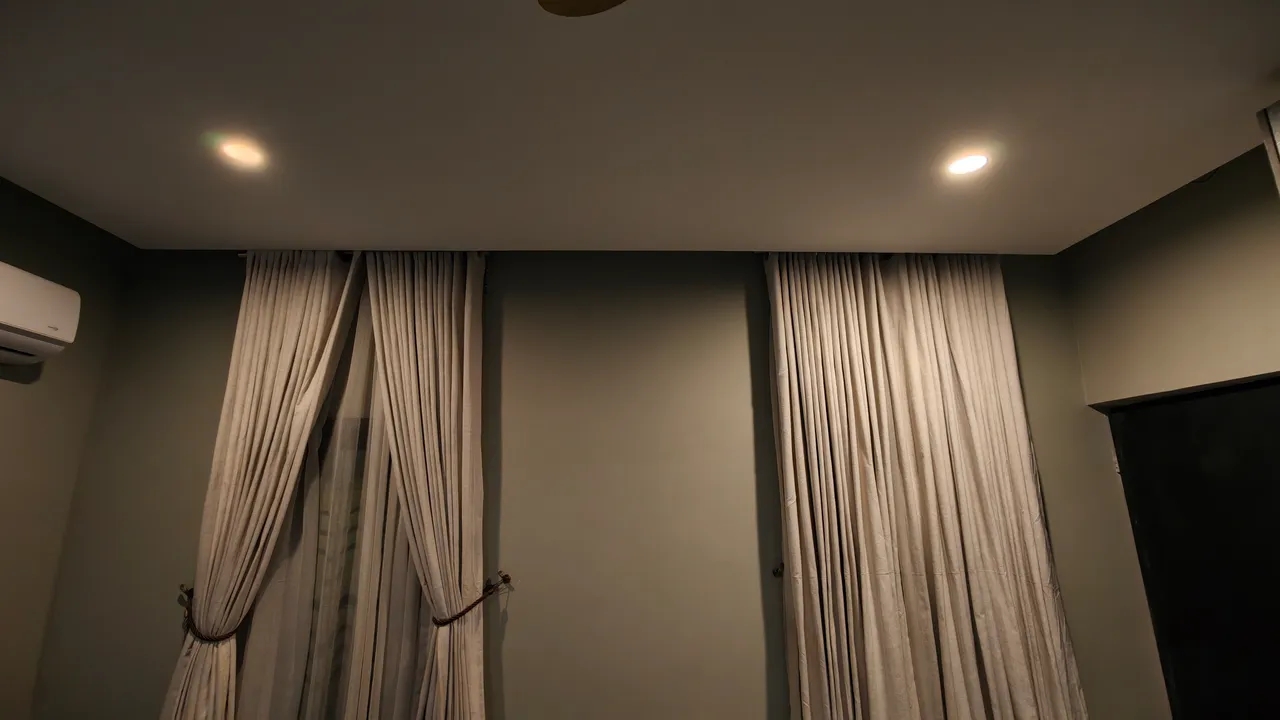
- 2700K – 3000K (Warm White): This is very warm, closely mimicking the cozy glow of traditional incandescent bulbs. I used warm white lights for all the bedrooms to create a sense of coziness.
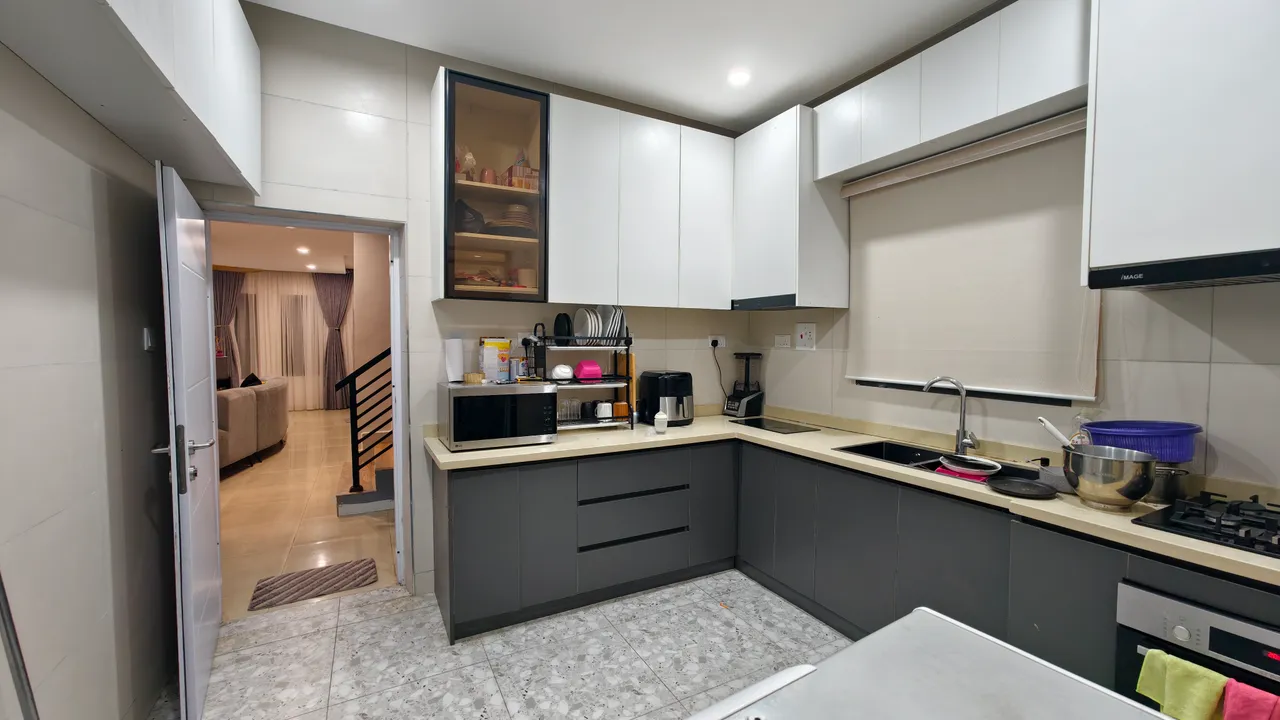
- 4000K – 4500K (Neutral White): This sits right in the middle. It offers clean, natural-looking light without the sterile blue tint. I used them for are the for task-heavy spaces in the home, like the kitchen and bathrooms, where clear visibility is important.
- 6500K (Daylight/Cold White): The only place I installed 6500K lights in my entire space is the power and inverter room, simply because a utilitarian light felt fitting for that specific utility space.
2. All whites are not created Equal
Not all white lights are created equal. True white light (like sunlight) is actually a combination of the entire spectrum of visible colors. Artificial lights try to recreate this, but many do a poor job.
This is measured by the Color Rendering Index (CRI), a scale from 0 to 100 that dictates how accurately a light source reveals the true colors of objects compared to natural light. Most standard LED lights available in the Nigerian market have a CRI between 65 and 70 (80 if you are lucky). They light up a room, but they make colors look dull and washed out.
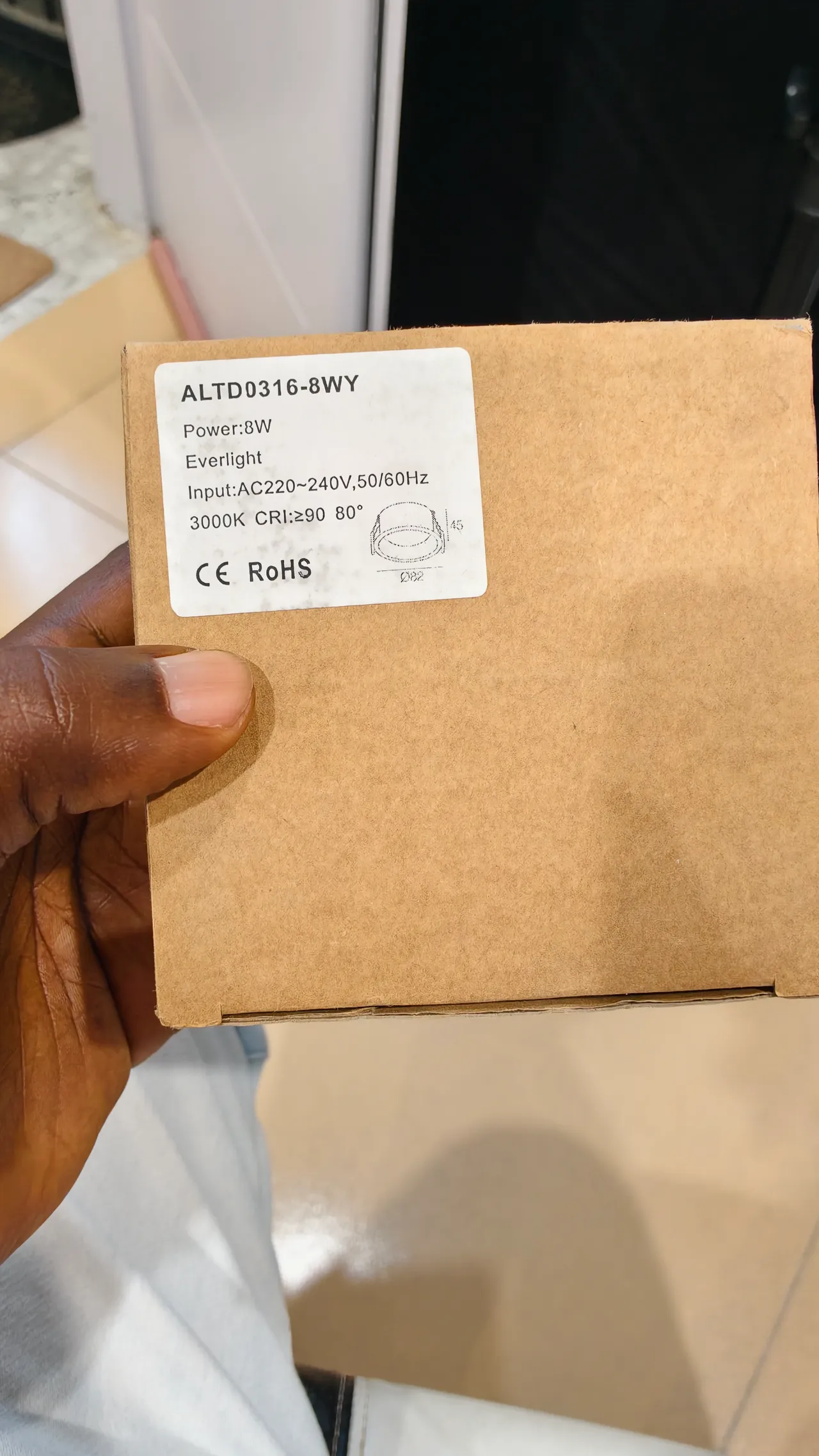
If you want a truly vibrant home where paint, furniture, and skin tones look natural, you need a light source with a CRI of 90 or higher. The difference is like one of those things you never knew was a thing, but once you see it, you see high-CRI lighting, you can't unsee it and standard lighting feels washed out. Even when you take a photo indoors, the vibrancy is obvious.
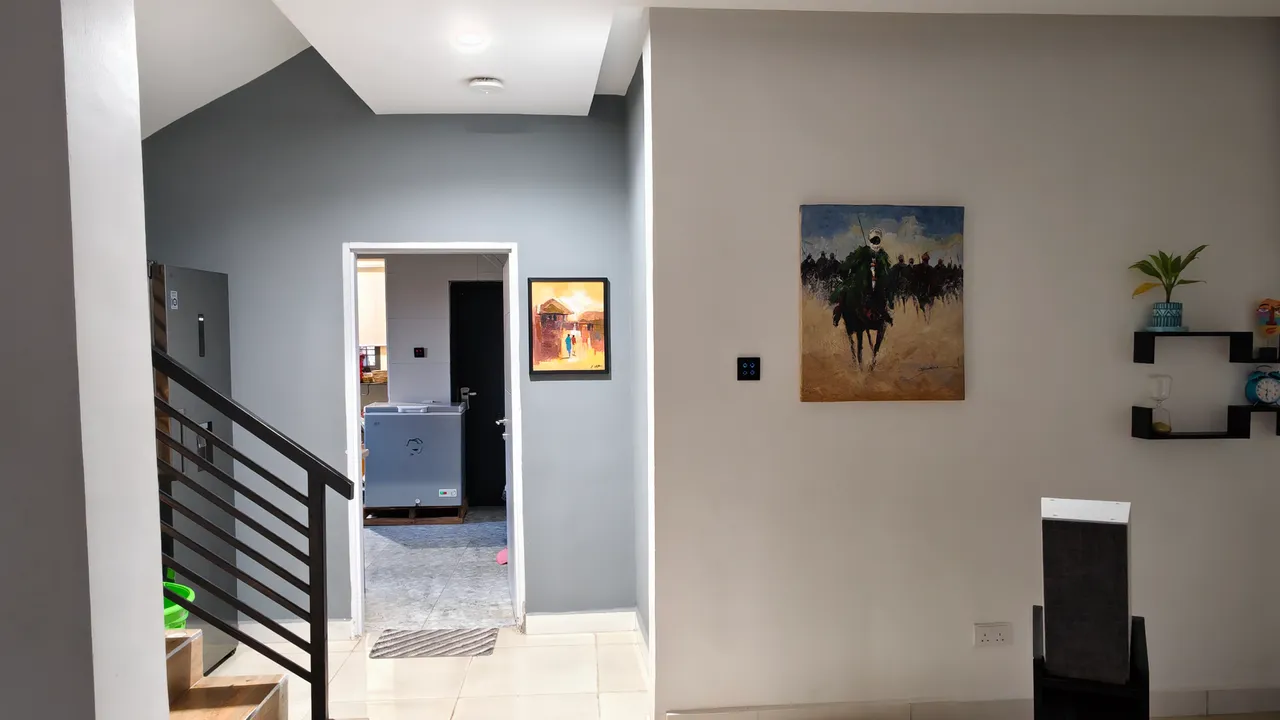
3. Eliminating Flicker
Because artificial lights are powered via the AC mains, this in Nigeria means is via electricity operating at 50Hz. This means the voltage oscillates from full power to zero 50 times a second. Because it crosses zero twice per cycle, low-quality LEDs actually produce micro-flickers 100 times a second.
While you might not consciously see it, this high-frequency flicker is known to cause eye strain, discomfort, and even headaches when you spend hours under them. It also shows up as banding if you pan a phone camera across the room.
High-quality light fixtures use advanced LED drivers that convert that AC power into a perfectly smooth DC current, completely eliminating the flicker.
4. Anti-Glare Design
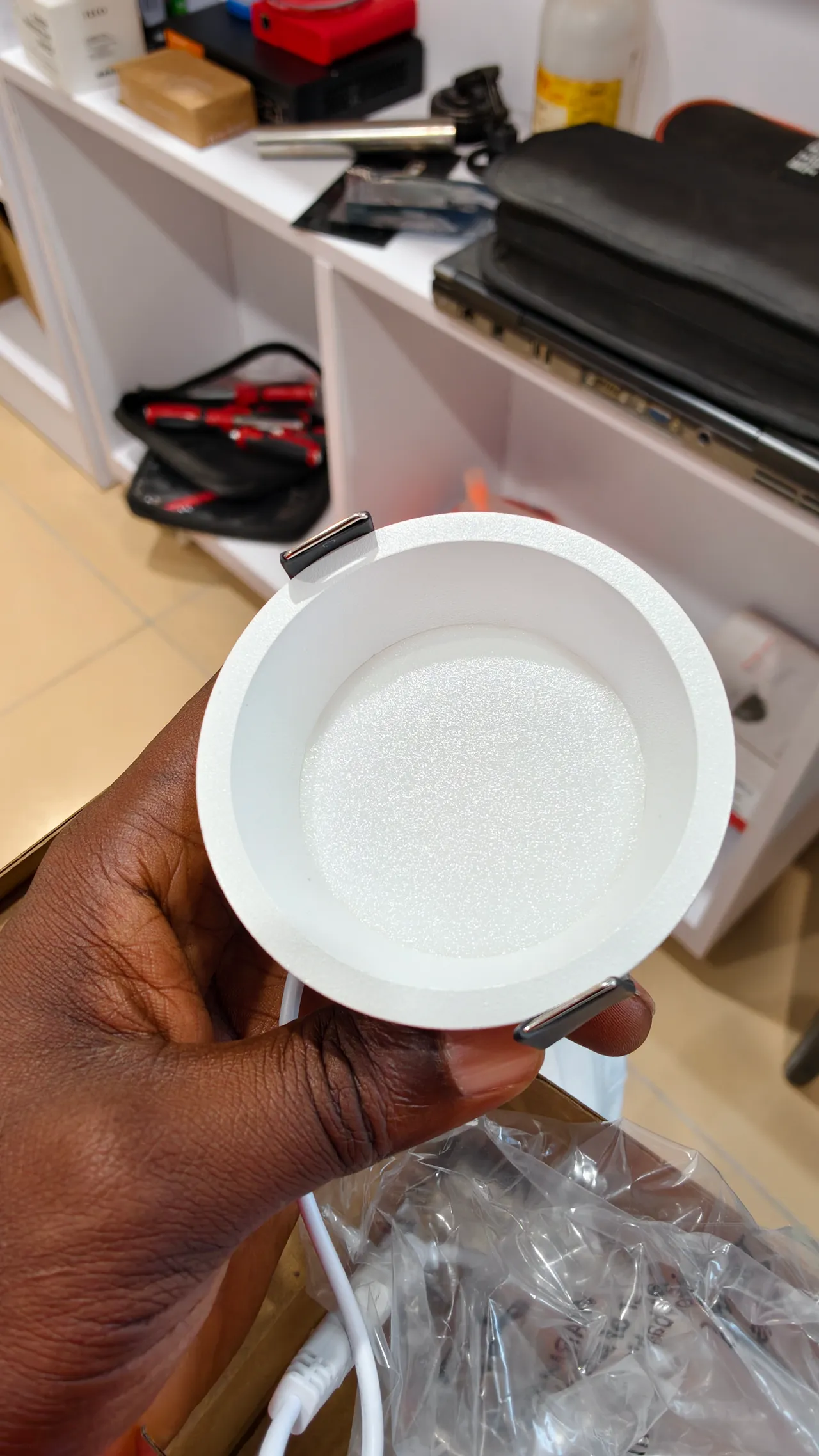
This ties into my final criteria: glare. One of the biggest low-key annoyances in modern homes is the glare from popular flat LED downlights. Glare is that blinding feeling you get when a car's headlights are pointed directly at you. When you lay down on a couch or bed and look up at the ceiling, the blare of a standard downlight can be incredibly overbearing.
Anti-glare fixtures use a deep-recessed or baffled design. The LED chip is hidden deep inside the housing, effectively cutting off the light angle so it doesn't hit your eyes directly unless you are standing directly underneath it.
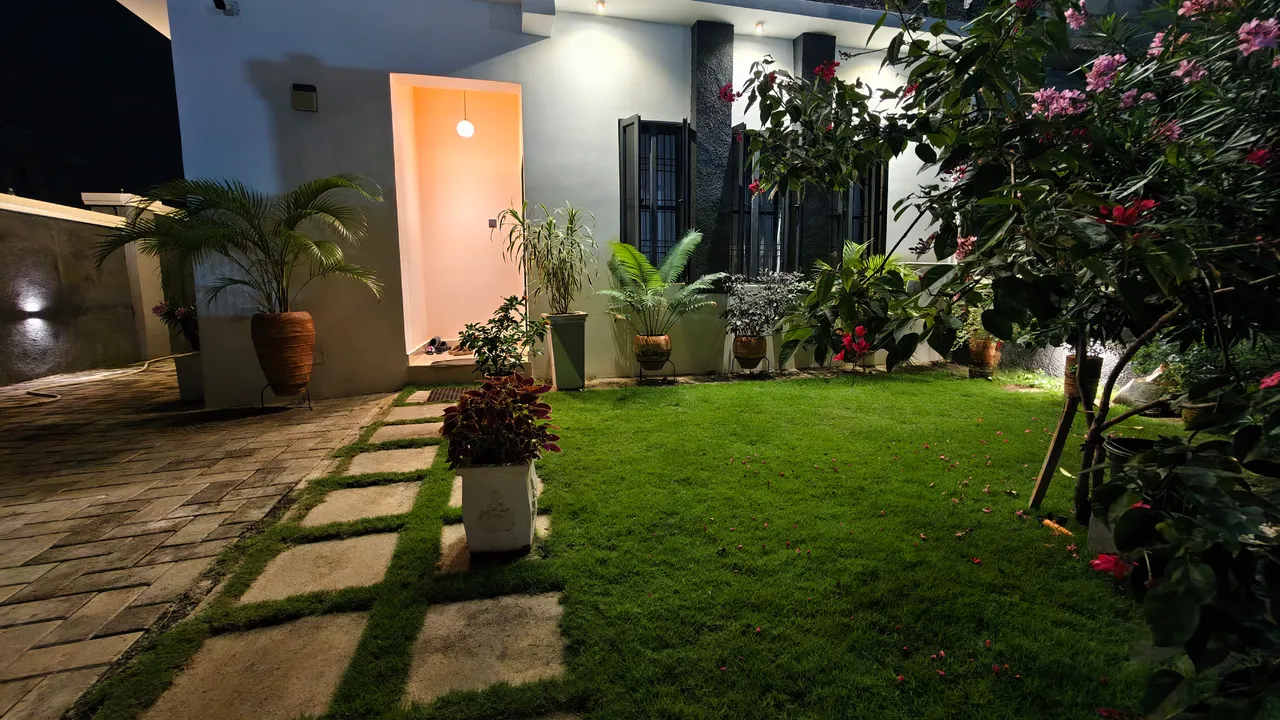
For the outdoors, I stuck to minimal, focused warm lights that wash the walls without blinding anyone walking by.
I am sharing this post just to share some of my own experience about lighting points. Most of the light fixtures (In fact all of them) I got directly from china via Alibaba. I found that buying them in bulk. I got quality light with good CRI over 90 and antiglare for less than it would cost getting them in Nigeria.
I dropped more information about the lighting point I use in this twitter post.
For those who have asked me where I got my lights from.. all the fixed lighting in my space are led down lights - I got most of the - non smart ones from Alibaba from this store - https://t.co/AjCY3S1m3Q
— Othell Yarwyck (@bigbrovar) October 10, 2026
For the smart rbg lights, you can get them from aliexpress here…
Member discussion