Playbook Bypassing the Middleman: How to Import an EV Direct from China - Sight Unseen
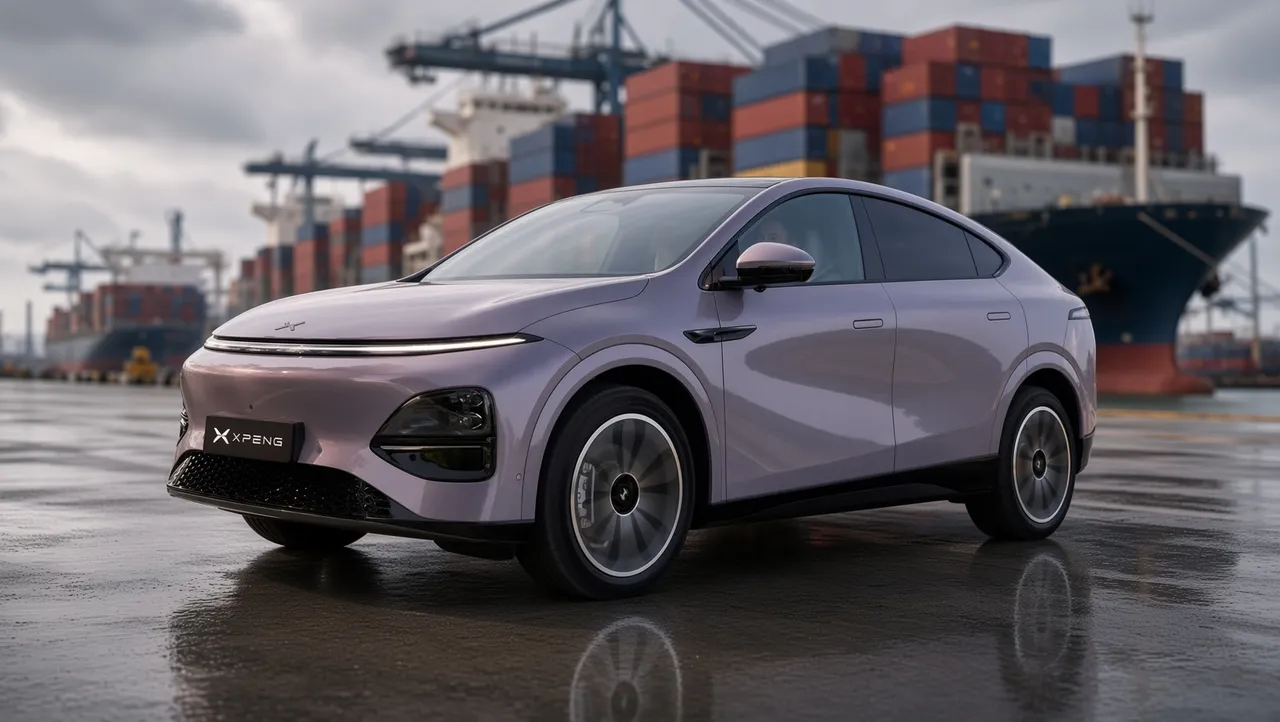
Buying an Electric Car Direct from China: My Playbook for for the xpeng G6,
I’m a car person, but not in the “exotic cars, expensive luxury” sense. Thus I value practicality, reliability, and efficiency. I also prefer compact cars that are functional without being flashy. My current car is a 2014 Toyota Corolla L that I bought around October 2019. It has served me well for nearly seven years with typical Corolla reliability no major issues.
But it’s starting to show its age, and more importantly, it has become expensive to run. When I bought the car, filling the tank cost ₦4,000-5,000. Today, the same tank costs ₦70,000-80,000. I drive a lot road trips, long hours on the road because driving is therapeutic for me. as a result even my Japanese ecno box is starting to racking fuel bills that hurts in this economy.
I also live off-grid. My offgrid solar setup generates close to one megawatt-hour of electricity every month. That means I can charge an electric car essentially for free. Once that reality sank in, the idea of an EV stopped feeling like a distant future option and started looking practical.
The Search
I initially planned to move to an SUV, something like a Toyota RAV4, as a natural step up from the Corolla. The problem was fuel efficiency. Coming from a car that does around 30 mpg, the idea of dropping to 24- 26 mpg felt painful. While researching, a Tesla Model Y crossed my radar. I took one for a test drive and found it a joy to drive. Unfortunately, further investigation revealed that the unit had been in an accident and was structurally unsafe. That experience, however, made me start taking electric cars seriously as my next vehicle. I even went as far as buying one directly from Tesla’s pre-owned inventory in the US. That deal eventually fell through (a story for another day).
The tesla near miss locked me in on EV and this time I turned my attention east look more seriously at Chinese electric cars. The natural starting point in Nigeria was BYD, specifically the Atto 3. I contacted the official dealership. Stock was always an issue, and when cars finally arrived, the available unit was the lowest trim. No panoramic roof. For someone who spends a lot of time driving and values the experience, that was a deal-breaker. The version available was also the China-spec model with limitations that the local dealer could not fully resolve - Hold that thought, I would come to it later.
I explored other Nigerian sellers and middlemen who claimed to import from China. The experience was mostly frustrating. Many were unresponsive, evasive when asked detailed questions, or simply unprofessional. Some quoted prices that were significantly higher than what I could achieve by going direct. That experience made one thing clear: if I was going to do this, I wanted to cut out as many middlemen as possible and I was going to Do It Myself.
Discovering AutoCango and Building a Playbook
The solution turned out to be more straightforward than I expected. AutoCango is a platform built around exporting Chinese cars. You can filter inventory, reserve a vehicle, arrange inspections, and handle payments with relative transparency. It is not the only option, but it worked well for me and for two friends who later followed the same process in the same month.
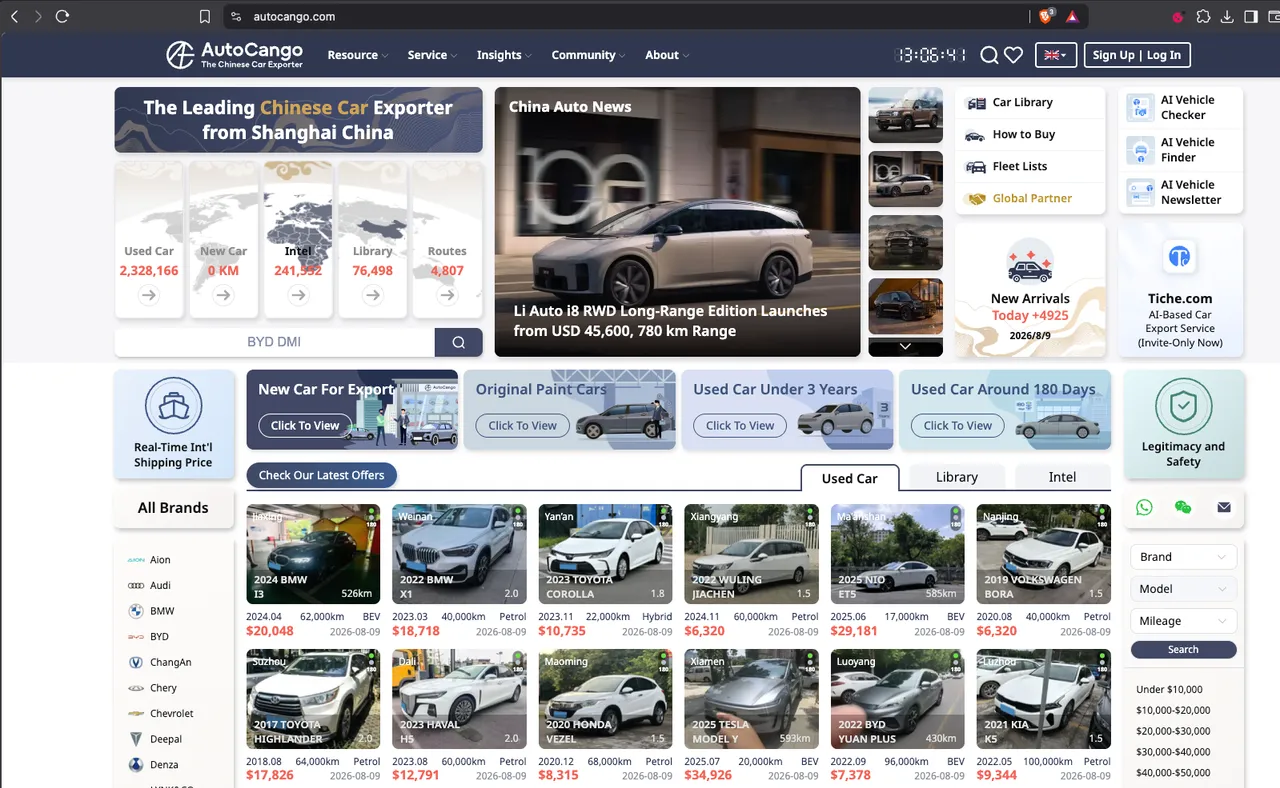
Here is the playbook that emerged:
- Identify the car and place a reserve
Inventory moves quickly because buyers from many countries use the platform. Once I found a 2025 XPeng G6 with very low mileage (a display car under 1,000 km), I paid a $500 reserve fee. Payment via USDT was simple and avoided the usual banking friction. - Arrange an independent pre-purchase inspection
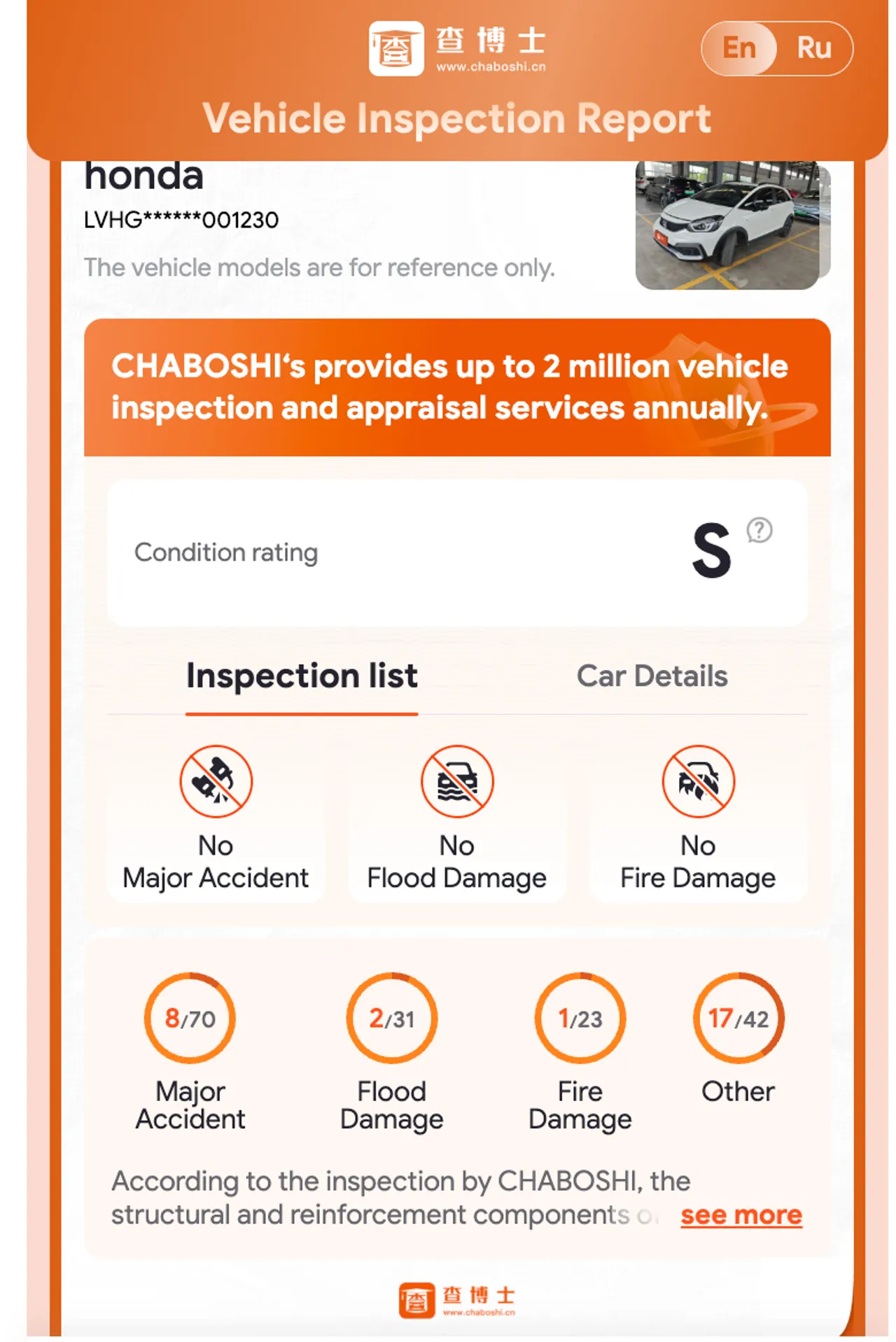
Buying sight unseen requires verification. Services such as Dr. Cha and similar regulated inspection bodies in China provide detailed reports covering battery health, chassis condition, flood history, cosmetic issues, and more. These reports carry real weight in China. AutoCango facilitated the process, and the arrangement included a refund of the deposit if the car failed inspection. My car passed with only minor cosmetic notes. Here is a sample report from Dr Cha
- Handle the master account transfer
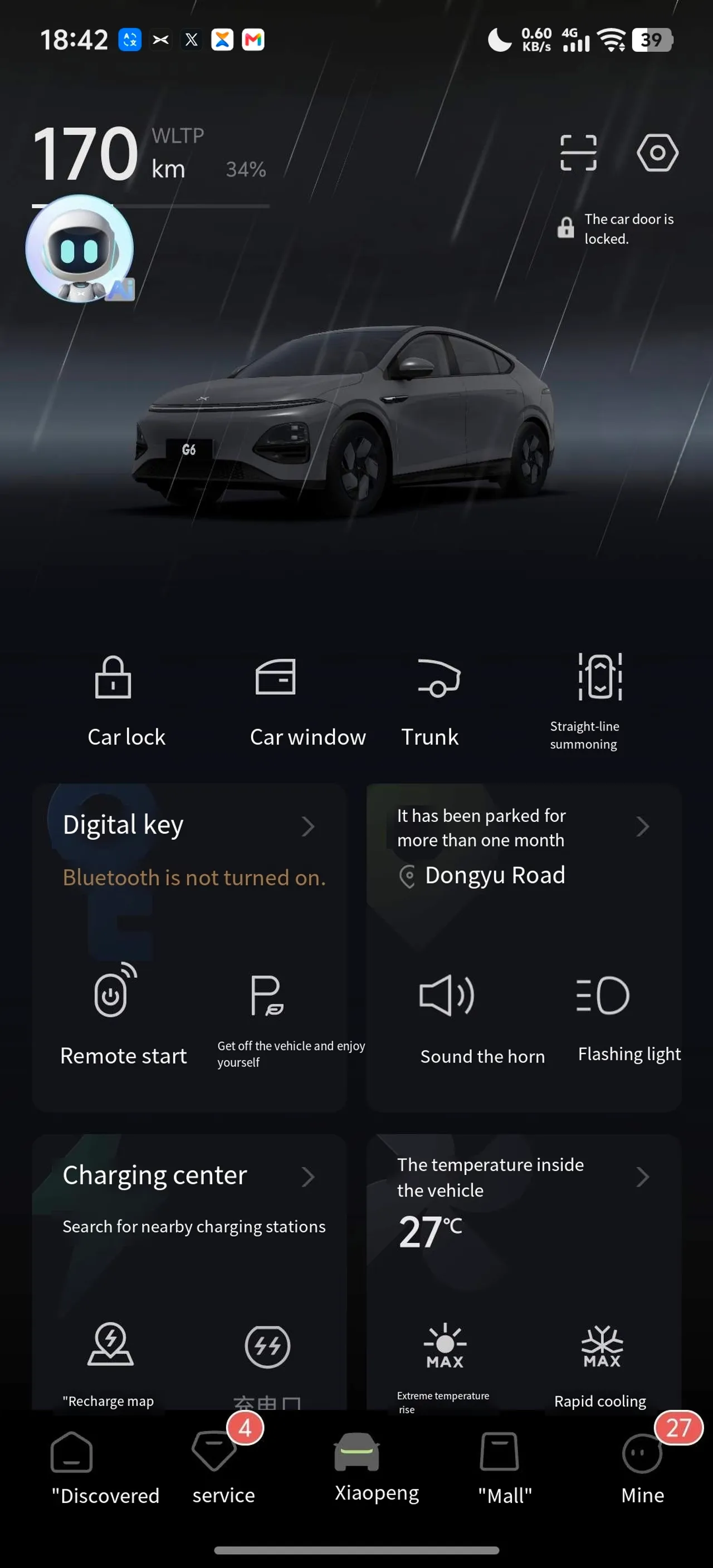
This was the hardest part of the entire process. Chinese new-energy vehicles are platforms as much as they are cars. Remote features, app control, camera access, and more depend on a master account tied to a Chinese phone number. You cannot simply use a Nigerian number.The process requires:Once the transfer was complete and I logged in with the Chinese number, I could see the car, access cameras, lock/unlock, and use basic remote functions. The agent handled the China-side process professionally and stayed responsive throughout.
- Obtaining a working Chinese number (many advertised “Chinese numbers” do not receive OTPs).
- Setting up WeChat (which can be complicated for Nigerians without an existing invitation).
- Having the seller transfer the master account while the car is still in China.
- Load accessories and prepare the car
I purchased several items in China and had them loaded into the car before shipping. The agent coordinated this without drama. - Arrange support in advance
Grey imports have a real support gap. I mitigated this in two ways:AutoCango also offers some after-sales coordination, but the direct relationship with the Chinese shop gave me additional confidence.
- I also made an arrangement with a Chinese XPeng-related shop for remote diagnostics and parts support. I purchased a Launch X-431 PRO3S+ diagnostic tablet and paid the one-time software fee to unlock full bidirectional controls for XPeng vehicles. The device can function as a J2534 PassThru remote bridge. This means that if I encounter a software lockout I cannot clear myself, a technician in China can securely tunnel over the internet into my car’s OBD port and push dealer-level commands or code directly to the vehicle. The agreement also covers shipping necessary parts and providing manuals or remote guidance to a local mechanic when needed.
- Local backup with EV World in Abuja, a service centre experienced with Chinese EVs (including Teslas, BYDs, and XPengs). Their engineers have trained in China.
Why the XPeng G6?
I considered several options. The Atto 3 had handling characteristics at higher speeds that I was not comfortable with for the kind of driving I do. The Sealion 7 was longer than I wanted and I had concerns about the ground-clearance (important in Nigeria given the battery pack sits low). Other BYD models simply did not click with my preferences for a compact, practical vehicle.
The 2025 XPeng G6 met the criteria better: compact size, native English interface (the system understands English voice commands even though responses are often in Mandarin), decent ground clearance considerations for the class, and the specific unit had extremely low mileage. It also felt like a stronger match for the practical car I was looking for.
Lessons and Advice
If you are considering a similar path, here are the points that mattered most in my experience:
- Confirm English support on the China-spec version. Some cars require workarounds or hacks; the G6 did not.
- Ground clearance and ride characteristics matter on Nigerian roads. Do not rely only on official figures.
- Master account transfer is non-negotiable if you want app functionality. Plan for a Chinese number and WeChat early.
- Independent inspection is essential. Flood damage is a real risk in parts of China.
- Support is the biggest long-term risk of grey imports. Arrange remote diagnostics and local service contacts before the car leaves China.
- Research thoroughly. Bilibili has excellent Chinese reviews and tear-downs that often reveal more than polished international content.
- Inventory moves fast. Be ready to reserve quickly once you find the right car.
AutoCango is one workable route. It is not the only one, and this is not a sponsored endorsement just a record of what worked for me and two friends who used the same approach.
Shipping and clearing remain. That process is still unfolding in real time and will be the subject of the next post. The path from decision to ownership has been longer and more involved than buying a local Corolla, but the combination of free charging from my solar system, a nearly new car, and the features I actually wanted made the effort worthwhile so far.
If you are researching the same route, I hope this documentation saves you some of the trial and error. The next chapter will cover what happens once the car actually arrives in Nigeria.
Member discussion